
The Intriguing Allure of Casino Games
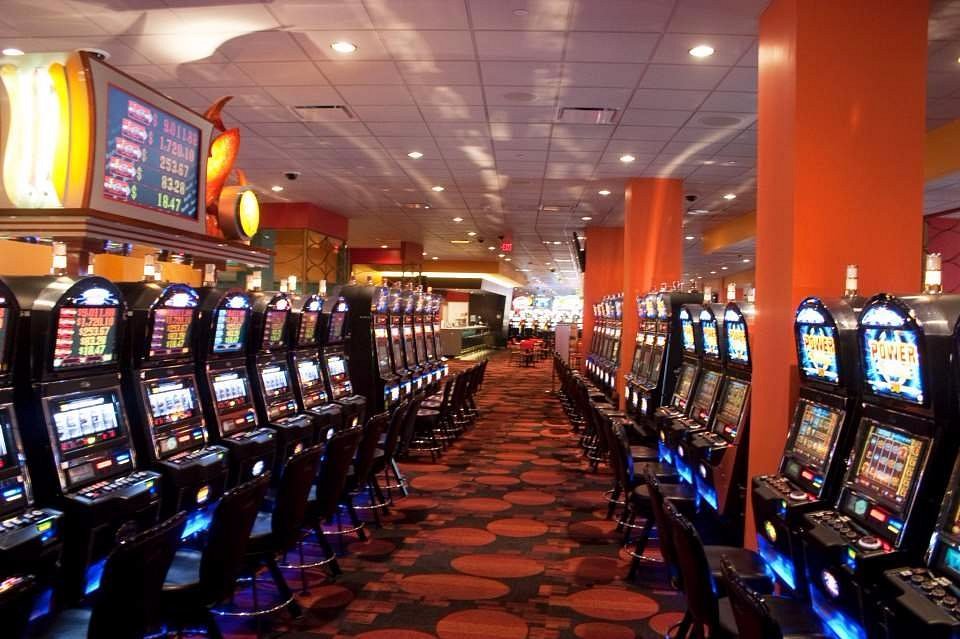
Casino games are crafted to entice players through a blend of excitement, chance, and anticipation. The immersive environments, dazzling lights, and engaging sounds stimulate sensory responses that heighten the thrill of gambling. This sensory overload is designed to keep players engaged, creating a captivating atmosphere that increases the likelihood of prolonged play. Understanding this allure is crucial for both players and operators, as it reveals the fundamental motivations driving participation in these games. Many players look for the best crypto casinos that enhance their overall experience.
The psychology behind gambling often intertwines with the concept of risk-taking behavior. Players are drawn to the potential for substantial rewards, which can trigger adrenaline responses akin to those experienced during high-stakes scenarios. This thrill-seeking behavior can lead to a cycle of repeated play, where the desire for an exhilarating win overshadows the potential risks involved. By comprehending these psychological triggers, individuals can make more informed decisions regarding their gaming habits.
The Role of Cognitive Bias in Gambling
Cognitive biases play a significant role in shaping player behavior in casinos. One prevalent phenomenon is the “gamblers’ fallacy,” where individuals believe that past outcomes influence future results, such as assuming a losing streak must be followed by a win. This fallacy can lead to irrational betting patterns, as players may throw good money after bad, convinced that their luck is about to change. Recognizing these biases is essential for players aiming to maintain control over their gambling activities.
Moreover, various studies highlight how near-misses in games, like slot machines, can create a false sense of hope. When players come close to winning, their brain’s reward centers are activated, reinforcing continued engagement despite not actually winning. This phenomenon can lead to an addictive play style and can make it challenging for players to recognize when to walk away, often resulting in financial loss and emotional distress.
Socioeconomic Factors Influencing Player Behavior
Players’ decisions and behaviors in casinos are also influenced by socioeconomic factors, including income level, education, and social environment. Individuals from different backgrounds may approach gambling with varying perspectives and expectations. For some, the casino may represent a source of entertainment and social interaction, while for others, it can signify a desperate attempt to regain financial stability.
The disparities in how different socioeconomic groups engage with casino games highlight the importance of understanding the broader context of gambling behavior. For example, lower-income individuals may be more prone to chasing losses due to financial pressure, potentially leading to problematic gambling habits. In contrast, those from higher income brackets may view gambling as a leisure activity, allowing for more responsible participation.
Behavioral Strategies for Responsible Gambling
To foster a healthy relationship with gambling, it is critical to implement behavioral strategies that promote responsible play. Establishing limits on time and money spent can help players maintain control and enjoy gaming as a form of entertainment rather than a means to solve financial woes. Players should also educate themselves about the odds and mechanics of the games they play, enabling informed decisions that align with realistic expectations.
Support systems, such as counseling and awareness programs, also play a vital role in combating gambling addiction. Players must recognize when their behavior becomes excessive and seek help if they feel overwhelmed by their gaming habits. By promoting awareness and education around responsible gambling, the negative consequences associated with excessive play can be mitigated.
Conclusion: The Importance of Understanding Casino Psychology
In summary, understanding the psychology of casino games and player behavior is essential for enjoying a balanced gaming experience. Awareness of cognitive biases, socioeconomic influences, and behavioral strategies fosters a responsible approach to gambling. Knowledge empowers players to make informed choices, elevating their enjoyment while minimizing potential risks.
As casinos incorporate advanced technologies and personalized experiences, it becomes increasingly important for players to remain vigilant and informed. By cultivating a deeper understanding of the psychological factors at play, players can enhance their gaming experience while ensuring it remains within healthy boundaries.